Before you buy
Hobby grade vs toy grade RC cars
The one distinction that decides whether a car lasts a season or five years. What each grade really means.
Top pick: Traxxas LaTrax Rally
Before you buy
Everything the hobby assumes you already know, written for someone who does not. Read the first two and you will make a better choice than most buyers in this category.
Shock & Servo is reader-supported. If you buy through a link on this page we may earn a commission, at no extra cost to you. It never changes which products we pick or the order we rank them in — the full rules are on our methodology page and our affiliate disclosure.
This hobby assumes you already know things: what RTR means, why 1/10 matters, whether brushless is worth it, what a hobby-grade car actually is. These pages are written for someone who does not — and reading the first two will put you ahead of most buyers in this category.
| Term | What it means |
|---|---|
| RTR | Ready to run — assembled, but not always with a battery and charger |
| Hobby grade | Built from individually replaceable parts the manufacturer sells |
| Toy grade | A sealed unit; when something breaks, the car is finished |
| Brushed / brushless | Motor type. Brushless is faster and needs no maintenance |
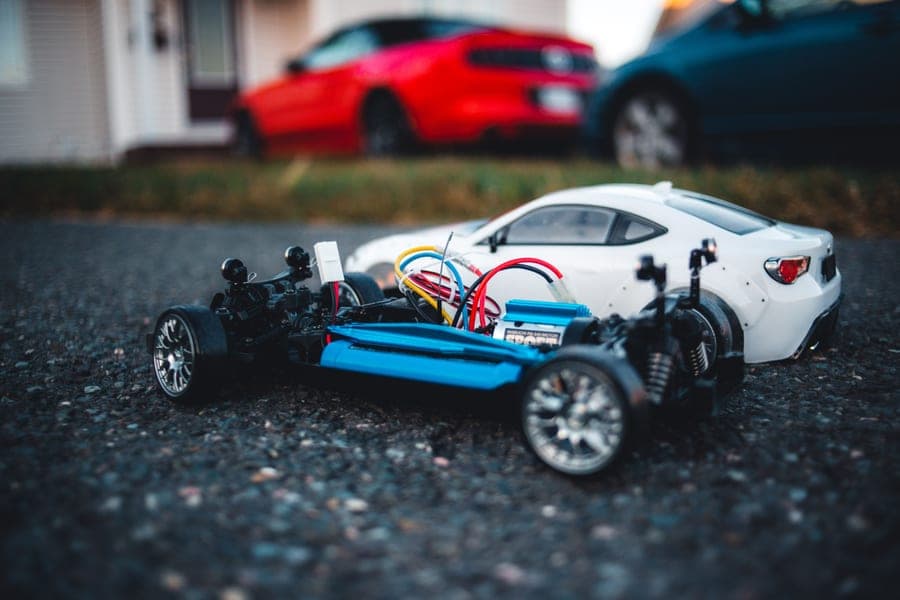
| 1/10, 1/16, 1/18 | Scale — the fraction of the real vehicle's size |
| LiPo / NiMH | Battery chemistry. LiPo is faster; NiMH is more forgiving |
| 2S / 3S | Battery cell count, so voltage — effectively the power level |
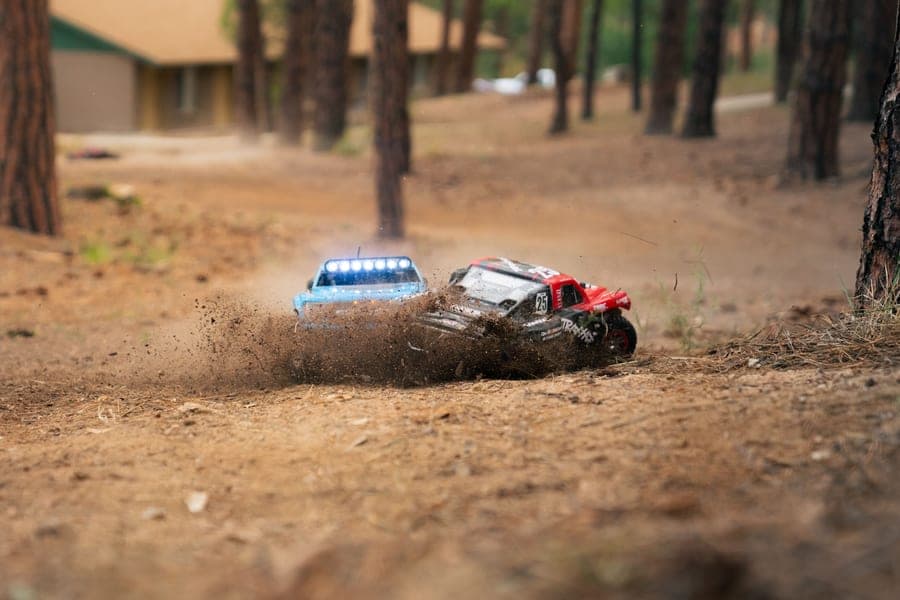
| Basher | A car built for driving fast and jumping, rather than racing |
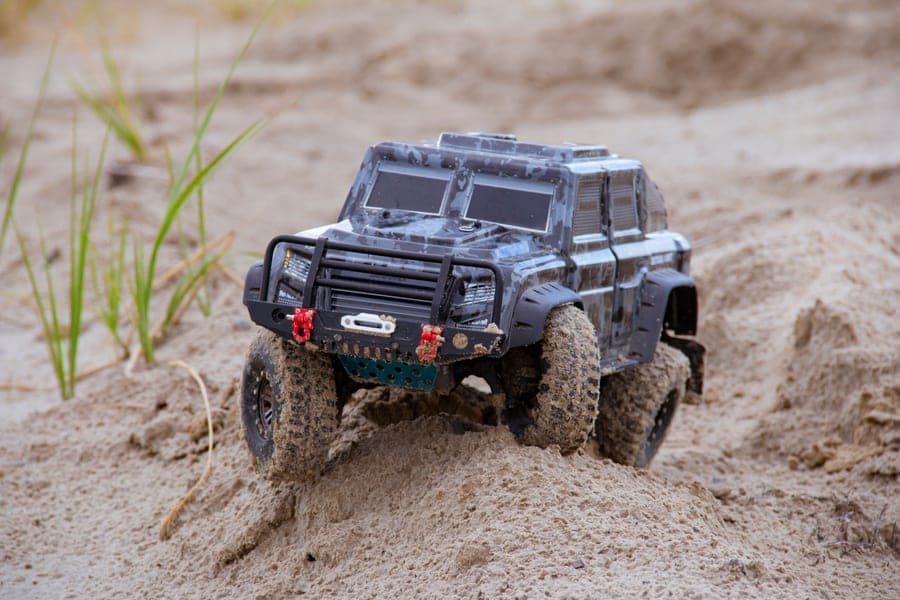
| Crawler | A slow car built to climb obstacles at walking pace |
Answer those four and the choice usually narrows to two or three cars. The roundups in starting out below cover what to buy once you have.
Category literacy: the terms, the trade-offs and the numbers, explained for someone who has never owned an RC car.
Before you buy
The one distinction that decides whether a car lasts a season or five years. What each grade really means.
Top pick: Traxxas LaTrax Rally
Before you buy
The failures ranked in the order they happen, what each costs, and how to avoid the ones that end a gift.
Top pick: An RC hex driver tool set
Before you buy
Age by age: what a child can actually control, when hobby-grade starts to pay, and when to skip it.
Top pick: Liberty Imports Cartoon RC Race Car
Before you buy
1/10, 1/16, 1/18, 1/24 — what each means in inches, and which scale fits your space and your budget.
Top pick: Axial SCX24
Before you buy
Ready to run, but not always ready to drive. What RTR includes, what it leaves out, and the alternatives.
Top pick: Traxxas LaTrax Rally
Before you buy
Faster and maintenance-free, or slower, cheaper and gentler. Which motor type suits which driver.
Top pick: Traxxas Slash 4X4 BL-2s
Before you buy
Real top speeds by category, what the numbers mean in practice, and how much speed you actually need.
Top pick: Traxxas Rustler 4X4 VXL
What it costs, what else you need, what to upgrade first — and the three roundups covering what to actually buy.
Starting out
The car is not the whole cost. Batteries, chargers, spares and tools, broken down before you spend.
Top pick: Traxxas LaTrax Rally
Starting out
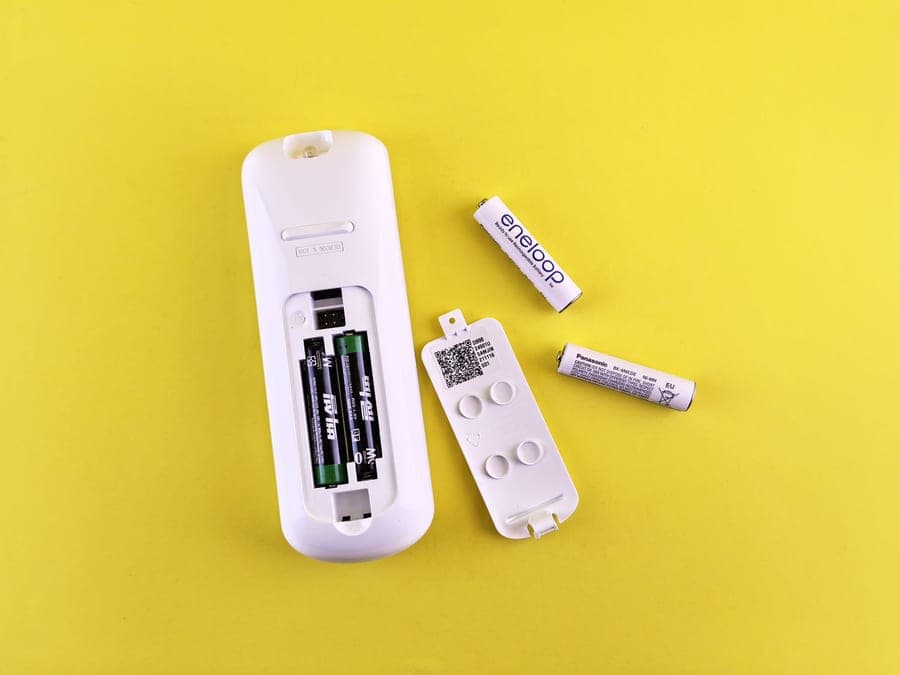
The four accessories that matter, the ones that can wait, and the AA batteries everyone forgets.
Top pick: Gens Ace 2S LiPo battery
Starting out
Upgrades in the order that actually helps — and the popular ones that just move the breakage.
Top pick: Gens Ace 2S LiPo battery
Best first RC car
Six first cars that survive beginner mistakes, from a complete package to a full 1/10 truck.
Top pick: Traxxas LaTrax Rally
Best RTR car
Ready-to-run cars where that is genuinely true — battery and charger included — plus the ones where it is not.
Top pick: Traxxas LaTrax Rally
Best brushless starter
Brushless performance with a way to keep it in check. Five picks and how to limit them for a first-timer.
Top pick: Traxxas Slash 4X4 BL-2s