Troubleshooting
Why is my RC car not working?
Almost every dead RC car is one of six things, and five of them are free to fix. Work down the list in order rather than guessing, because the order is what saves the afternoon.
By Ryder M. · Published October 6, 2026 · Last reviewed
Shock & Servo is reader-supported. If you buy through a link on this page we may earn a commission, at no extra cost to you. It never changes which products we pick or the order we rank them in — the full rules are on our methodology page and our affiliate disclosure.
If your RC car has stopped working, the cause is almost certainly one of six things, in this order of likelihood: a flat or dead battery, transmitter batteries, a lost bind between the transmitter and the receiver, a stripped gear or slipped slipper clutch, a failed steering servo, or water in the electronics. Work down that list in order and do not skip steps — the most common mistake is diagnosing a broken motor on a car whose battery has simply aged out.
Short version: charge the car battery and put fresh cells in the transmitter, then re-bind the receiver. If the car powers up but will not move, suspect a stripped spur gear or slipper clutch. If it moves but will not steer, suspect the servo. Those four cover nearly every case.
The symptom table
| What you see | Most likely cause | What to do |
|---|---|---|
| Nothing at all — no lights, no sound | Battery flat, dead, or not connected | Charge it; check the connector is fully seated |
| Lights on, no response to the controller | Lost bind, or dead transmitter batteries | Fresh transmitter cells, then re-bind |
| Motor whines but the car does not move | Stripped spur gear, or a loose slipper clutch | Look at the gears with the body off |
| Drives but will not steer | Steering servo failed or its gears stripped | Listen for the servo buzzing at full lock |
| Works for a few seconds then cuts out | Low-voltage cutoff, or a sagging pack | Charge fully; if it repeats, the pack is done |
| Worked, got wet, now dead | Water in a non-waterproof speed control | Dry it completely before applying power again |
| Intermittent, worse at distance | Antenna damaged or poorly routed | Check the receiver antenna is upright and intact |
1. The battery, every time
Start here even when you are sure it is not the battery. A LiPo pack that has been stored fully charged for six months may be unusable; one stored fully flat may be unrecoverable and should not be charged at all. A pack that is puffed — visibly swollen — is finished and must be retired rather than revived. And a pack that reads as charged can still sag under load, which looks exactly like an intermittent electrical fault: the car runs for ten seconds, cuts out, recovers, cuts out again. That is the speed control's low-voltage cutoff doing its job on a tired battery.
Check the connector too. A battery plug that looks seated and is not is the single most embarrassing cause of a dead car, and it happens to everyone. How long RC car batteries last covers how to tell an aged pack from a flat one.
2. The transmitter
Fresh AA cells in the controller, not nearly-fresh ones. A transmitter with weak batteries behaves strangely rather than dying cleanly: reduced range, twitchy steering, dropouts when the car is twenty feet away. If the transmitter has a low-battery light, trust it. If it does not, replace the cells anyway before moving on, because every step below assumes the radio is healthy.
3. Re-bind the receiver
Binding is the pairing between a transmitter and the receiver in the car, and it can be lost — by a voltage dip, by a crash, or for no apparent reason. The symptom is a car with power and no response. Every manufacturer's procedure is slightly different and all of them are in the manual: typically hold a button on the receiver, power the car, then power the transmitter. Try this before concluding the receiver has failed, because a lost bind looks identical to one that has.
4. Gears and the slipper clutch
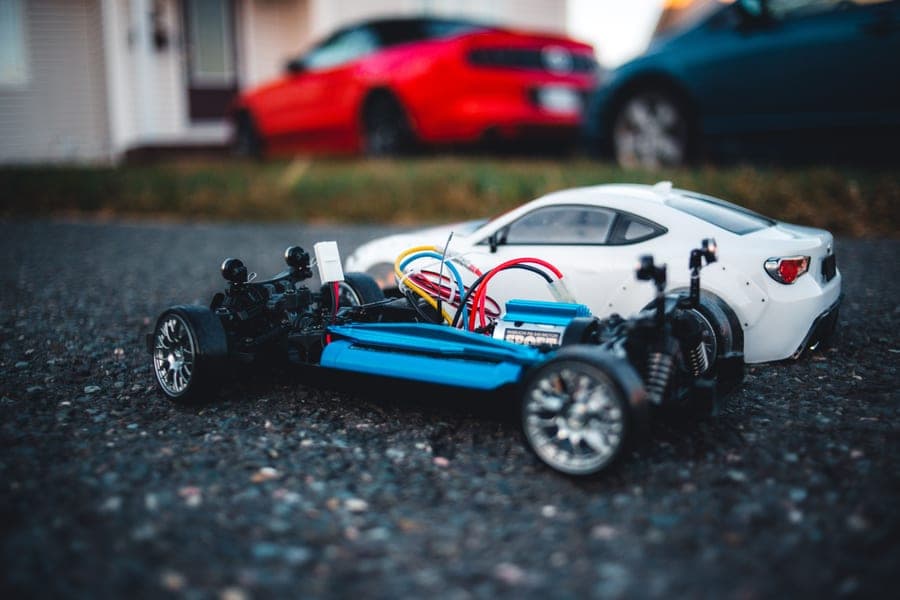
If the motor spins and nothing happens, take the body off and look. The usual culprit is the spur gear — the large plastic gear — with teeth missing or rounded, usually after a hard landing or a jam. The other possibility on hobby-grade cars is the slipper clutch, a friction plate designed to slip under shock loads so the driveline survives; when it loosens off it slips all the time, and the car makes noise without moving. Both are visible in thirty seconds with the body off, and both are cheap parts on any hobby-grade car. What breaks first on RC cars ranks them against everything else that fails.
5. The steering servo
A car that drives but will not steer has almost always lost its servo. Hold the car, turn the wheel on the transmitter and listen: a buzzing or grinding noise means the servo is alive but its internal gears are stripped, and silence means it has failed electrically. Servos are the most commonly replaced electronic part in the hobby — the stock unit on a standard Slash has plastic gears and 80 ounce-inches of torque, and in deep grass or against a curb it simply gives up. A metal-geared replacement is one of the better upgrades anyone makes.
6. Water
Many hobby-grade cars have waterproof speed controls and most toy-grade cars do not. If the car got wet and then died, disconnect the battery, open everything up and let it dry completely — days, not hours — before applying power. Applying power to wet electronics is what turns a recoverable soaking into a dead speed control. Note that waterproof electronics do not make the bearings and metal parts rust-proof: waterproof RC cars explains what the rating actually covers.
Three things worth owning before this happens
| # | Product | Best for | Score | Price |
|---|---|---|---|---|
| 1 | 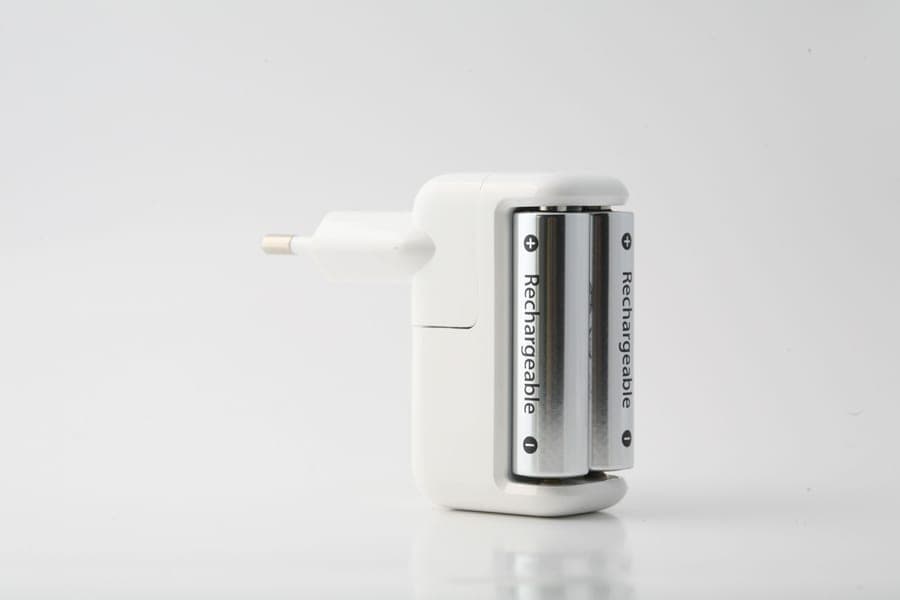 Traxxas EZ-Peak chargerThe charger Traxxas itself recommends for its cars, and the one that needs no settings at all. | Traxxas households | 8.5 | |
| 2 | 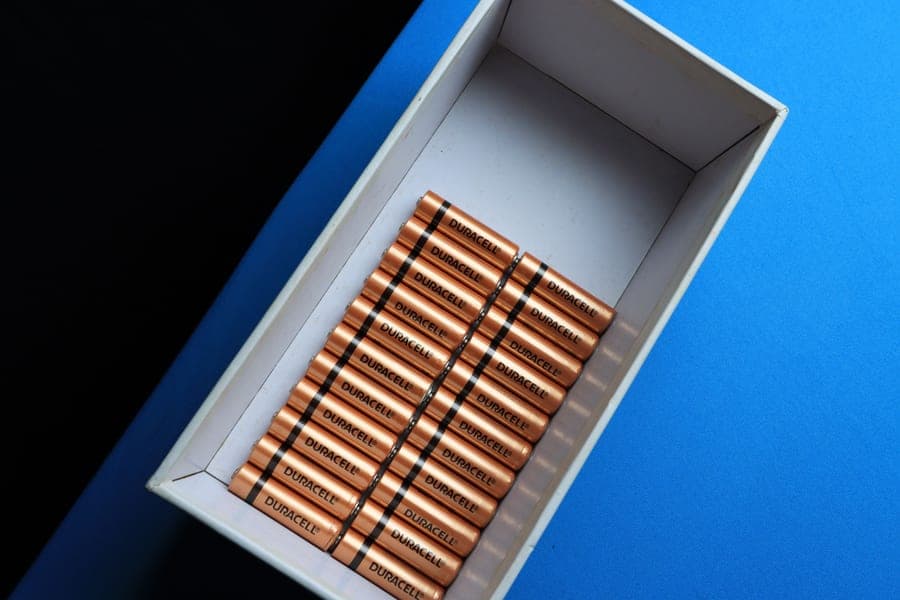 Gens Ace 2S LiPo batteryThe brand most people settle on once they have been burned by a cheap pack that puffed after a month. | The reliable default | 8.7 | |
| 3 | An RC hex driver tool setThe L-shaped keys in the box round off after a few uses. A proper driver set is the first upgrade nobody thinks of. | Fixing it yourself | 8.3 |
Illustrative photo — not this exact model.
#1 · Traxxas households
Traxxas EZ-Peak charger
The charger Traxxas itself recommends for its cars, and the one that needs no settings at all.
8.5/10our score for this use
Traxxas' own charger. With an iD-equipped Traxxas battery it detects the pack and sets itself, which removes the part of LiPo ownership that worries people most. It charges both NiMH and LiPo.
What it does well
- Automatic setup with Traxxas iD batteries — nothing to configure, nothing to get wrong
- Handles both the NiMH packs that come with entry cars and the LiPo upgrade later
- Stocked wherever Traxxas is sold
What it does badly
- The automatic behavior only applies to Traxxas iD packs
- Single channel, so packs charge one after another
- Costs more than a generic charger of similar output
Specifications from Traxxas' batteries and chargers range.
Illustrative photo — not this exact model.
#2 · The reliable default
Gens Ace 2S LiPo battery
The brand most people settle on once they have been burned by a cheap pack that puffed after a month.
8.7/10our score for this use
LiPo is the standard rechargeable battery chemistry for RC cars: lighter than the older NiMH type and it holds its power right up to the end of the run rather than gradually fading. 2S means two cells — the size most 1/10 cars take.
What it does well
- Consistent pack-to-pack quality, which is the whole argument for paying more for a battery
- Holds voltage under load, so the car feels the same on lap ten as on lap one
- Sold in all the common connector types and sizes
What it does badly
- Costs more than the budget brands for capacity you can measure but may not notice
- Like all LiPo packs it must be stored at partial charge, not full, or it degrades
- Needs a balance charger — it cannot be charged with the wall plug from a toy car
Illustrative photo — not this exact model.
#3 · Fixing it yourself
An RC hex driver tool set
The L-shaped keys in the box round off after a few uses. A proper driver set is the first upgrade nobody thinks of.
8.3/10our score for this use
Hobby-grade cars are held together with small hex screws and nuts, and the folded metal keys included in the box are made down to a price. A set of proper hex drivers and nut drivers turns a twenty-minute repair into a five-minute one.
What it does well
- Makes repairs quick enough that they actually get done instead of shelving the car
- Stops screw heads being rounded off by a badly fitting key
- Works on every brand in this hobby
What it does badly
- Not an exciting thing to unwrap on its own
- Cheap sets use soft steel that wears quickly
- You need the right sizes for the specific car, usually metric
When it genuinely is broken
On a hobby-grade car this is where the grade earns its money: the part is identified, ordered and fitted, and the car is back. On a toy-grade car there is usually no part to order, and the honest answer is that the car is finished. That asymmetry is the whole argument of hobby grade vs toy grade, and it is the reason this site keeps recommending brands with real parts networks even when a cheaper car looks identical on the listing.
How we assessed this
The failure modes and their order come from how these vehicles are built — which components are consumable, which are load-bearing and which are sealed — and the specific component figures quoted, such as the stock Slash servo's 80 ounce-inches of torque, are from Traxxas' own upgrade documentation, linked in Sources. We do not test these products first-hand; our methodology page explains what that means.