Batteries
LiPo vs NiMH RC car batteries
One is faster and lasts longer per charge. The other forgives being neglected. For a gift, that second quality matters more than most buyers expect.
By Ryder M. · Published September 27, 2026 · Last reviewed
Shock & Servo is reader-supported. If you buy through a link on this page we may earn a commission, at no extra cost to you. It never changes which products we pick or the order we rank them in — the full rules are on our methodology page and our affiliate disclosure.
LiPo is faster, lighter and runs longer per charge. NiMH is slower and heavier, but it tolerates being neglected — left half-charged on a shelf, run flat, charged on a simple charger. For a household new to this hobby, NiMH is often the better first battery for exactly that reason. For anyone who will look after it, LiPo is better in every performance respect.
The comparison table
| LiPo | NiMH | |
|---|---|---|
| Full name | Lithium polymer | Nickel-metal hydride |
| Weight | Lighter for the same capacity | Heavier |
| Power delivery | Strong and constant until it stops | Fades gradually as it drains |
| Run time | Longer for the same size | Shorter |
| Charger needed | A balance charger — non-negotiable | Most simple chargers will do |
| Storage | Must be stored part-charged, not full or empty | Tolerant; can sit charged or flat |
| If mistreated | Can swell, and in rare cases catch fire | Loses capacity; not a fire risk |
| Best for | Performance, and owners who will follow the rules | Beginners, children, households new to RC |
The LiPo rules, in four lines
- Charge in a fire-resistant bag or a metal tin, and never unattended. This is the whole safety story in one sentence.
- Never store a LiPo fully charged. Use the storage-charge setting on a decent charger, or run it down to roughly half before it goes on a shelf.
- Stop driving when the car goes noticeably slow. Running a LiPo completely flat damages it permanently.
- A swollen pack is a dead pack. Do not charge it, do not drive it, dispose of it properly.
The two batteries this question is about
| # | Product | Best for | Score | Price |
|---|---|---|---|---|
| 1 | Gens Ace 2S LiPo batteryThe brand most people settle on once they have been burned by a cheap pack that puffed after a month. | The reliable default | 8.7 | |
| 2 | 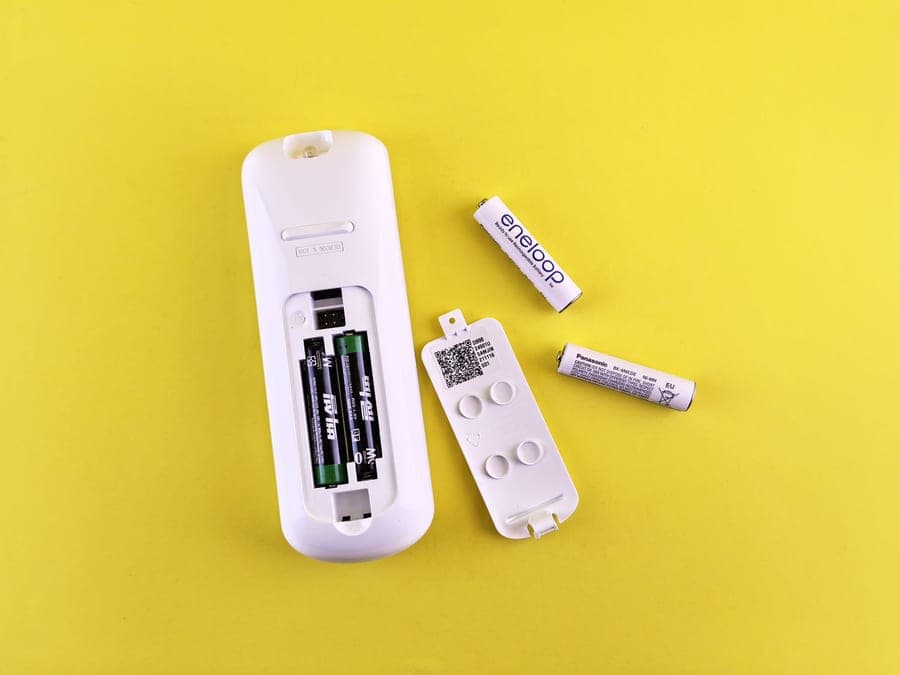 Traxxas Power Cell NiMH batterySlower and heavier than LiPo, and far more forgiving of the mistakes a first-time owner makes. | Families new to this | 8.3 |
Illustrative photo — not this exact model.
#1 · The reliable default
Gens Ace 2S LiPo battery
The brand most people settle on once they have been burned by a cheap pack that puffed after a month.
8.7/10our score for this use
LiPo is the standard rechargeable battery chemistry for RC cars: lighter than the older NiMH type and it holds its power right up to the end of the run rather than gradually fading. 2S means two cells — the size most 1/10 cars take.
What it does well
- Consistent pack-to-pack quality, which is the whole argument for paying more for a battery
- Holds voltage under load, so the car feels the same on lap ten as on lap one
- Sold in all the common connector types and sizes
What it does badly
- Costs more than the budget brands for capacity you can measure but may not notice
- Like all LiPo packs it must be stored at partial charge, not full, or it degrades
- Needs a balance charger — it cannot be charged with the wall plug from a toy car
Illustrative photo — not this exact model.
#2 · Families new to this
Traxxas Power Cell NiMH battery
Slower and heavier than LiPo, and far more forgiving of the mistakes a first-time owner makes.
8.3/10our score for this use
NiMH is the older rechargeable chemistry. It gives less punch and less run time than LiPo, but it tolerates being left on a shelf half-charged, being fully drained, and being charged on a simple charger — all things that shorten a LiPo's life.
What it does well
- Far more tolerant of neglect than LiPo, which suits a household new to the hobby
- Can be charged with the simple charger that comes with many Traxxas cars
- Works with Traxxas' iD system, which sets the charger up automatically
What it does badly
- Heavier and slower than a LiPo of the same capacity — the car feels duller
- Shorter run time for the same size pack
- Most people replace it with a LiPo within a few months anyway
Specifications from Traxxas' batteries and chargers range.
Which should you buy?
| Situation | Buy | Why |
|---|---|---|
| Buying for a child under 10 | NiMH | It tolerates every mistake a household new to this will make |
| The car ships with NiMH | A second NiMH now, LiPo later | Two packs doubles the session immediately; upgrade when they care about speed |
| Buying for a teenager or adult | LiPo | More speed, more run time, less weight — and they will follow the rules |
| The car is a Traxxas | Either, with an iD pack | Traxxas iD batteries configure a Traxxas charger automatically, removing the setup entirely |
What the S number means
On a LiPo, 2S means two cells in series, about 7.4 volts. 3S is about 11.1 volts and is noticeably faster in the same car. 6S is around 22 volts and belongs in large expert-level machines. Fitting a bigger pack than the car is rated for will damage the speed control, so check the manufacturer's stated range before buying. NiMH packs are usually described by cell count too — a 6-cell NiMH is roughly 7.2 volts, close to a 2S LiPo.
How we compared them
On the practical differences that decide which is right for a given owner, rather than on raw specification. Manufacturer detail comes from Traxxas' own batteries and chargers materials — see our methodology page.