Batteries
How to make an RC car battery last longer
Two goals, one page: get more minutes out of each charge, and get more years out of the pack. Most of this is habits, not equipment.
By Ryder M. · Published September 27, 2026 · Last reviewed
Shock & Servo is reader-supported. If you buy through a link on this page we may earn a commission, at no extra cost to you. It never changes which products we pick or the order we rank them in — the full rules are on our methodology page and our affiliate disclosure.
The two habits that matter most: store LiPo packs at about half charge rather than full, and stop driving when the car noticeably slows down. Those two alone are the difference between a battery that lasts three years and one that lasts a season.
Getting more minutes out of each charge
- Ease off the throttle. Full throttle everywhere can halve a session. This is by far the largest single factor.
- Drive on suitable ground. Long grass and mud draw far more current than a path or a patio.
- Keep the drivetrain clean. Grass wrapped around an axle or grit in the bearings costs real run time. Five minutes with a brush after each session pays for itself.
- Check tire choice. Heavy, aggressive tires draw more power than the stock ones on smooth ground.
- Warm the pack slightly in winter. A battery at room temperature delivers noticeably more than one straight out of a cold garage.
Getting more years out of the pack
- Use the storage-charge function on a decent charger if the pack will sit for more than a few days. Roughly half charge is where a LiPo is happiest.
- Never run it completely flat. Stop when the car goes noticeably slow — that is the low-voltage cut-off doing its job, not a suggestion.
- Charge at a sensible rate. 1C — a charge current equal to the pack's capacity — is the safe default. Faster charging works but shortens the pack's life.
- Let it cool before charging. A pack straight out of a hard run is warm; charging it then is harder on it than waiting fifteen minutes.
What helps, in practice
| # | Product | Best for | Score | Price |
|---|---|---|---|---|
| 1 | 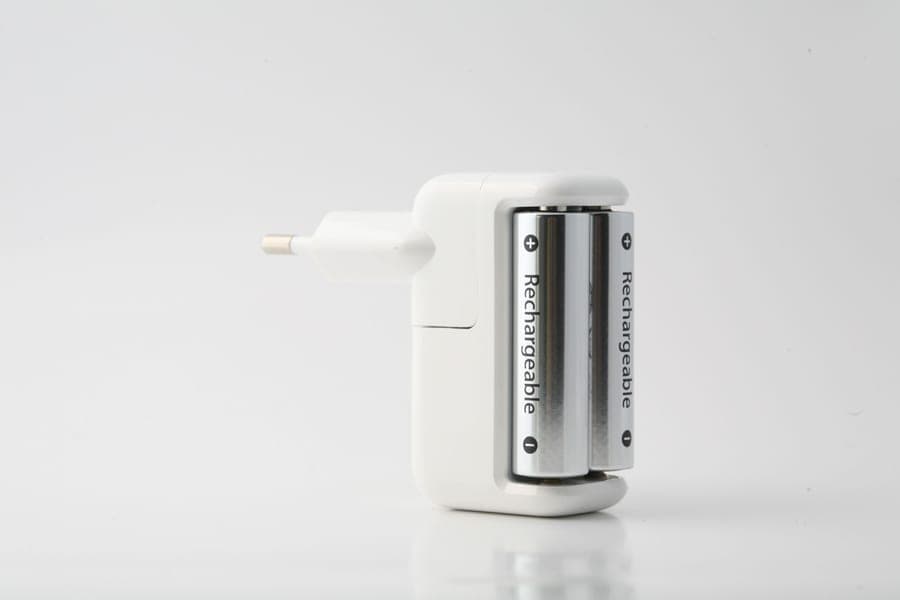 HOTA D6 Pro chargerTwo channels, plugs straight into the wall, and fast enough that charging stops being the bottleneck. | The one to buy once | 8.8 | |
| 2 | Gens Ace 2S LiPo batteryThe brand most people settle on once they have been burned by a cheap pack that puffed after a month. | The reliable default | 8.7 | |
| 3 | A LiPo-safe charging bagThe cheapest sensible thing you can add to any gift that includes a LiPo battery. | Charging safely | 8.5 |
Illustrative photo — not this exact model.
#1 · The one to buy once
HOTA D6 Pro charger
Two channels, plugs straight into the wall, and fast enough that charging stops being the bottleneck.
8.8/10our score for this use
A balance charger looks after each cell inside a LiPo pack individually, which is what keeps the battery healthy and safe. The D6 Pro has a built-in power supply — no separate box to buy — charges two packs at once, and around 1.6A of balance current per cell, which is why it finishes noticeably faster than the pocket chargers.
What it does well
- Built-in AC power supply: it works straight out of the box with no extra purchase
- Two independent channels, so a second pack charges while the first is in the car
- Higher balance current than the small chargers, so charging is genuinely quicker
What it does badly
- Overkill if there is only ever going to be one small battery
- The menu system takes an evening to learn
- It is another box on the bench with its own fan noise
Illustrative photo — not this exact model.
#2 · The reliable default
Gens Ace 2S LiPo battery
The brand most people settle on once they have been burned by a cheap pack that puffed after a month.
8.7/10our score for this use
LiPo is the standard rechargeable battery chemistry for RC cars: lighter than the older NiMH type and it holds its power right up to the end of the run rather than gradually fading. 2S means two cells — the size most 1/10 cars take.
What it does well
- Consistent pack-to-pack quality, which is the whole argument for paying more for a battery
- Holds voltage under load, so the car feels the same on lap ten as on lap one
- Sold in all the common connector types and sizes
What it does badly
- Costs more than the budget brands for capacity you can measure but may not notice
- Like all LiPo packs it must be stored at partial charge, not full, or it degrades
- Needs a balance charger — it cannot be charged with the wall plug from a toy car
Illustrative photo — not this exact model.
#3 · Charging safely
A LiPo-safe charging bag
The cheapest sensible thing you can add to any gift that includes a LiPo battery.
8.5/10our score for this use
A fire-resistant pouch that the battery sits inside while it charges. LiPo batteries very rarely fail, but when they do they do it energetically, and every experienced owner charges inside a bag or a metal tin.
What it does well
- Costs very little and removes the one genuine hazard in this hobby
- Doubles as somewhere to store packs between uses
- Fits any battery, any brand
What it does badly
- Not a magic shield — a charging battery still needs to be attended
- The cheap ones have flimsy zips
- One more thing to remember to use
Storing batteries safely
- Store at roughly half charge, in a cool, dry place, away from anything flammable.
- Use a fire-resistant bag or a metal tin — for storage as well as charging.
- Check them every few months. A pack that has swollen while in storage should be disposed of, not charged.
- Do not store them in a hot car or a freezing shed. Temperature extremes shorten life faster than use does.
How we picked
These are the standard care practices published by battery and charger manufacturers, presented for someone who has never owned a LiPo. We do not test batteries ourselves — our methodology page explains what our guidance is based on.