Batteries
RC car battery types explained
Four numbers on a label and three different chemistries. Here is what each one means, and which parts of it you actually need to care about.
By Ryder M. · Published September 27, 2026 · Last reviewed
Shock & Servo is reader-supported. If you buy through a link on this page we may earn a commission, at no extra cost to you. It never changes which products we pick or the order we rank them in — the full rules are on our methodology page and our affiliate disclosure.
There are only two battery types that matter for RC cars: LiPo and NiMH. LiPo is lighter, faster and needs a proper charger. NiMH is heavier, slower and tolerates almost any mistake. Everything else you will see on a listing is a variation on one of those two.
The types, in one table
| Type | What it is | Where you find it |
|---|---|---|
| LiPo | Lithium polymer — the performance standard | Most hobby-grade cars from about $150 up |
| NiMH | Nickel-metal hydride — the forgiving older standard | Entry hobby-grade cars, and anything aimed at families |
| LiHV | A LiPo variant charged to a slightly higher voltage | Racing and some drone packs; rare in RC cars |
| Li-ion | The cell type in laptops and power tools | Some budget cars; long run time, less punch |
| Built-in packs | A sealed rechargeable pack, no replacement | Toy-grade cars for young children |
| AA cells | Ordinary batteries | Transmitters, and the cheapest toy cars |
Reading the label
A LiPo label typically reads something like *5000mAh 2S 50C*. Three numbers, in order of how much they matter:
- mAh — capacity. How long it runs. 5000mAh runs roughly twice as long as 2500mAh in the same car. This is the number that decides your afternoon.
- S — cell count, so voltage. 2S is about 7.4V, 3S about 11.1V. More cells means more speed, and it must be within the range the car's speed control supports.
- C — discharge rate. How hard the pack can be pushed. For bashing, anything from 25C upward from a decent brand is plenty. It is the number most over-marketed and least worth paying extra for.
Three batteries worth knowing
| # | Product | Best for | Score | Price |
|---|---|---|---|---|
| 1 | 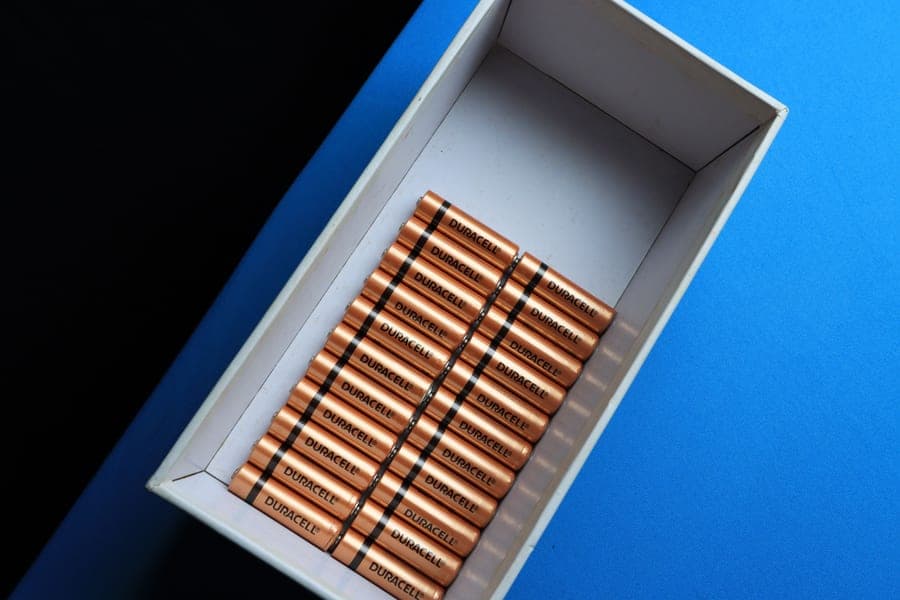 Gens Ace 2S LiPo batteryThe brand most people settle on once they have been burned by a cheap pack that puffed after a month. | The reliable default | 8.7 | |
| 2 | Traxxas Power Cell NiMH batterySlower and heavier than LiPo, and far more forgiving of the mistakes a first-time owner makes. | Families new to this | 8.3 | |
| 3 | Ovonic 2S LiPo batteryThe sensible middle: better built than the bargain packs, cheaper than the premium ones. | Middle ground | 8.4 |
Illustrative photo — not this exact model.
#1 · The reliable default
Gens Ace 2S LiPo battery
The brand most people settle on once they have been burned by a cheap pack that puffed after a month.
8.7/10our score for this use
LiPo is the standard rechargeable battery chemistry for RC cars: lighter than the older NiMH type and it holds its power right up to the end of the run rather than gradually fading. 2S means two cells — the size most 1/10 cars take.
What it does well
- Consistent pack-to-pack quality, which is the whole argument for paying more for a battery
- Holds voltage under load, so the car feels the same on lap ten as on lap one
- Sold in all the common connector types and sizes
What it does badly
- Costs more than the budget brands for capacity you can measure but may not notice
- Like all LiPo packs it must be stored at partial charge, not full, or it degrades
- Needs a balance charger — it cannot be charged with the wall plug from a toy car
Illustrative photo — not this exact model.
#2 · Families new to this
Traxxas Power Cell NiMH battery
Slower and heavier than LiPo, and far more forgiving of the mistakes a first-time owner makes.
8.3/10our score for this use
NiMH is the older rechargeable chemistry. It gives less punch and less run time than LiPo, but it tolerates being left on a shelf half-charged, being fully drained, and being charged on a simple charger — all things that shorten a LiPo's life.
What it does well
- Far more tolerant of neglect than LiPo, which suits a household new to the hobby
- Can be charged with the simple charger that comes with many Traxxas cars
- Works with Traxxas' iD system, which sets the charger up automatically
What it does badly
- Heavier and slower than a LiPo of the same capacity — the car feels duller
- Shorter run time for the same size pack
- Most people replace it with a LiPo within a few months anyway
Specifications from Traxxas' batteries and chargers range.
Illustrative photo — not this exact model.
#3 · Middle ground
Ovonic 2S LiPo battery
The sensible middle: better built than the bargain packs, cheaper than the premium ones.
8.4/10our score for this use
A mid-priced LiPo brand that has built a reputation for reliability without the premium price. For a car that gets used on weekends rather than raced, this is the tier that makes sense.
What it does well
- Noticeably better built than the cheapest packs on the shelf
- Widely available in the common sizes and connectors
- Good value if you want two packs instead of one premium pack
What it does badly
- Not the last word in performance if the car is being raced
- Quality is consistent but not at the level of the top-tier brands
- Still requires a proper balance charger
Which battery for which car
| Car | Battery | Note |
|---|---|---|
| Toy-grade car for a young child | Built-in pack or AAs | Buy rechargeable AAs for the transmitter — a flat transmitter is the most common fault |
| Entry hobby-grade (1/18, 1/16) | NiMH or small 2S LiPo | Check the car's stated range first |
| 1/10 brushed truck | 2S LiPo or 6-7 cell NiMH | Traxxas lists exactly this range for the Slash 4X4 |
| 1/10 brushless truck | 2S or 3S LiPo | Start on 2S for a younger driver |
| 1/8 or 6S machine | 4S-6S LiPo | Expert territory; the batteries are a significant cost in themselves |
The connector question
Batteries and cars use different plugs, and they are not universal — a battery with the wrong connector will not fit. That has its own page, because it is the single most common ordering mistake: RC car battery connector types.
How we picked
The battery recommendations above are based on manufacturers' published specifications and on which chemistry suits which owner. We do not test batteries — our methodology page explains what our recommendations rest on.