Starting out
The first RC car upgrades worth making
The upgrade shelf is full of parts that solve problems you do not have. These are the ones that genuinely change how much the car gets used.
By Ryder M. · Published September 27, 2026 · Last reviewed
Shock & Servo is reader-supported. If you buy through a link on this page we may earn a commission, at no extra cost to you. It never changes which products we pick or the order we rank them in — the full rules are on our methodology page and our affiliate disclosure.
In order: a second battery, a better charger, proper tools, then better tires. Not one of those is a performance part, and all four change how much the car is used far more than any aluminum upgrade will.
The upgrade order that actually helps
- A second battery. Doubles the session. Nothing else on this list comes close for the money.
- A better charger. An hour instead of four means three sessions a day instead of one. See our charger guide.
- A set of hex drivers. Makes every repair quicker, and stops screw heads rounding off.
- Tires suited to the surface. The single biggest performance change available, and one almost nobody makes. The stock tires are a compromise for shipping, not a choice for your ground.
- A spare set of suspension arms. Not an upgrade, but it keeps the car running — see what breaks first.
The upgrades worth making
| # | Product | Best for | Score | Price |
|---|---|---|---|---|
| 1 |  Gens Ace 2S LiPo batteryThe brand most people settle on once they have been burned by a cheap pack that puffed after a month. | The reliable default | 8.7 | |
| 2 | 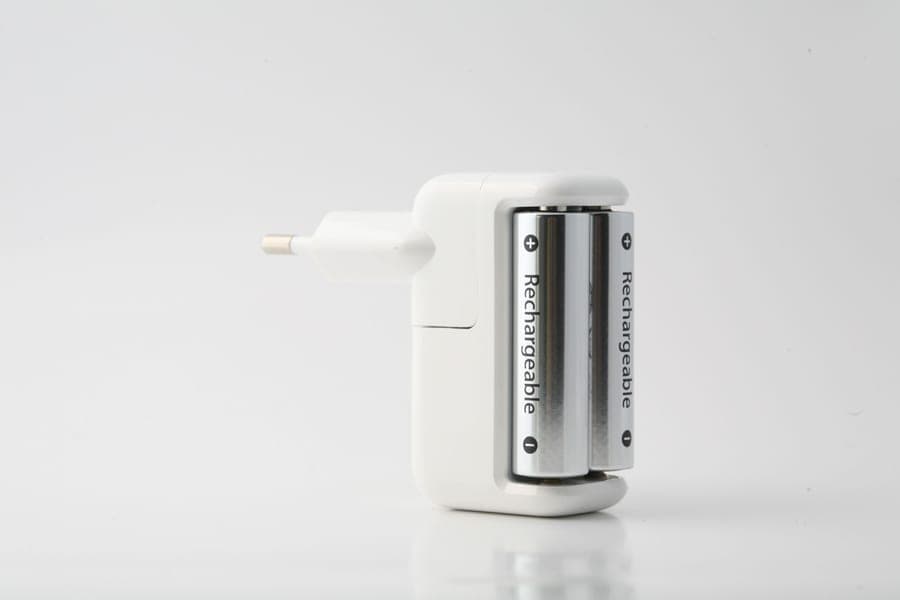 HOTA D6 Pro chargerTwo channels, plugs straight into the wall, and fast enough that charging stops being the bottleneck. | The one to buy once | 8.8 | |
| 3 | An RC hex driver tool setThe L-shaped keys in the box round off after a few uses. A proper driver set is the first upgrade nobody thinks of. | Fixing it yourself | 8.3 | |
| 4 |  An RC car maintenance standHolds the car with its wheels off the ground so you can work on it without it rolling away. | A small extra gift | 7.8 |
Illustrative photo — not this exact model.
#1 · The reliable default
Gens Ace 2S LiPo battery
The brand most people settle on once they have been burned by a cheap pack that puffed after a month.
8.7/10our score for this use
LiPo is the standard rechargeable battery chemistry for RC cars: lighter than the older NiMH type and it holds its power right up to the end of the run rather than gradually fading. 2S means two cells — the size most 1/10 cars take.
What it does well
- Consistent pack-to-pack quality, which is the whole argument for paying more for a battery
- Holds voltage under load, so the car feels the same on lap ten as on lap one
- Sold in all the common connector types and sizes
What it does badly
- Costs more than the budget brands for capacity you can measure but may not notice
- Like all LiPo packs it must be stored at partial charge, not full, or it degrades
- Needs a balance charger — it cannot be charged with the wall plug from a toy car
Illustrative photo — not this exact model.
#2 · The one to buy once
HOTA D6 Pro charger
Two channels, plugs straight into the wall, and fast enough that charging stops being the bottleneck.
8.8/10our score for this use
A balance charger looks after each cell inside a LiPo pack individually, which is what keeps the battery healthy and safe. The D6 Pro has a built-in power supply — no separate box to buy — charges two packs at once, and around 1.6A of balance current per cell, which is why it finishes noticeably faster than the pocket chargers.
What it does well
- Built-in AC power supply: it works straight out of the box with no extra purchase
- Two independent channels, so a second pack charges while the first is in the car
- Higher balance current than the small chargers, so charging is genuinely quicker
What it does badly
- Overkill if there is only ever going to be one small battery
- The menu system takes an evening to learn
- It is another box on the bench with its own fan noise
Illustrative photo — not this exact model.
#3 · Fixing it yourself
An RC hex driver tool set
The L-shaped keys in the box round off after a few uses. A proper driver set is the first upgrade nobody thinks of.
8.3/10our score for this use
Hobby-grade cars are held together with small hex screws and nuts, and the folded metal keys included in the box are made down to a price. A set of proper hex drivers and nut drivers turns a twenty-minute repair into a five-minute one.
What it does well
- Makes repairs quick enough that they actually get done instead of shelving the car
- Stops screw heads being rounded off by a badly fitting key
- Works on every brand in this hobby
What it does badly
- Not an exciting thing to unwrap on its own
- Cheap sets use soft steel that wears quickly
- You need the right sizes for the specific car, usually metric
Illustrative photo — not this exact model.
#4 · A small extra gift
An RC car maintenance stand
Holds the car with its wheels off the ground so you can work on it without it rolling away.
7.8/10our score for this use
A simple platform that lifts the car off the bench. It sounds trivial until the first time someone tries to check the wheels of a car that keeps driving itself off the table.
What it does well
- Cheap, useful, and the kind of thing an owner never buys for themselves
- Makes checking wheels and suspension a one-person job
- Most are adjustable across scales
What it does badly
- Purely a bench accessory — it adds nothing to the driving
- The plastic ones flex under a heavy 1/8 truck
- Takes up bench space
Upgrades that mostly move the problem
| Upgrade | The pitch | The reality |
|---|---|---|
| Aluminum suspension arms | They will not snap | True — the impact goes into the chassis or the shock mount instead, which cost more |
| A higher-C-rated battery | More power delivery | For bashing, 25C and up from a decent brand is already plenty |
| A bigger motor | More speed | It also produces more heat, more wear and shorter run times; gearing usually matters more |
| A metal spur gear | It will not strip | The plastic spur is a fuse protecting the transmission — the same argument as suspension arms |
When upgrades are genuinely worth it
- When the same part keeps breaking in the same way. That is a design limit for your driving style, and a stronger part is the right answer.
- When the driving has outgrown the car — the driver is smooth, fast and bored. Then a motor or gearing change makes sense.
- When the surface has changed. Moving from grass to asphalt genuinely needs different tires.
- When bearings get noisy. Replacing worn bearings is maintenance and it restores real performance.
How we assessed this
By ranking upgrades on how much they change actual use rather than specification. We have not bench-tested upgrade parts — our methodology page explains what our recommendations rest on.