Understanding batteries
2S vs 3S LiPo batteries
The S number is the single most consequential thing on a battery label, and getting it wrong either wastes the car's potential or destroys its electronics.
By Ryder M. · Published October 4, 2026 · Last reviewed
Shock & Servo is reader-supported. If you buy through a link on this page we may earn a commission, at no extra cost to you. It never changes which products we pick or the order we rank them in — the full rules are on our methodology page and our affiliate disclosure.
Start with 2S. The S number is how many cells are inside the pack: a 2S LiPo is 7.4 volts nominal, a 3S is 11.1 volts — roughly 50 percent more. On a car that accepts both, moving from 2S to 3S makes it dramatically faster and noticeably harder to drive, and it puts more heat through the motor, the speed control and the drivetrain. Buy 2S first, learn the car, then add a 3S pack once the driver has earned it.
Short version: 2S for a beginner, a child, or any car whose manual does not explicitly allow 3S. 3S for an experienced driver on a car rated for it, with open space to use the speed. Never fit 3S to a car rated 2S only — the speed control is the part that fails, and it fails expensively.
The comparison table
| 2S LiPo | 3S LiPo | |
|---|---|---|
| Cells | 2 | 3 |
| Nominal voltage | 7.4V | 11.1V |
| Fully charged | 8.4V | 12.6V |
| Speed | The car's baseline | Substantially faster, roughly in proportion to voltage |
| Heat in the motor and speed control | Modest | Significantly higher |
| Run time | Longer for a given capacity, because less is being asked | Shorter at the same capacity if driven hard |
| Physical size | Smaller and lighter | Longer and heavier — it may not fit the tray |
| Suits a beginner? | Yes | No |
| Cost | Lower | Higher for the same capacity |
What the extra cell actually does
More voltage means the motor spins faster for the same throttle position. On a brushless car the difference between 2S and 3S is not subtle — it is the difference between a car a ten-year-old can drive on a lawn and a car that needs a field. It also changes how the car behaves on landing, in corners and under braking, all of which get harder at once.
The less obvious effect is heat. More voltage through the same motor and the same speed control means more current, more heat and more stress on the gears and driveshafts. A car designed for 3S has the margin built in. A car designed for 2S does not, and the usual outcome is a cooked speed control — the single most expensive electronic part in the car.
How to find out what your car takes
- Check the manual or the manufacturer's product page. Cars rated for both are normally advertised as 2S/3S capable, and that phrase is the permission you are looking for.
- Check the speed control's own rating. It is the limiting component, and it is usually printed on the label or listed in the specification.
- Measure the battery tray. A 3S pack is physically longer. Plenty of cars that could handle the voltage cannot fit the pack.
- Check the gearing advice. Some manufacturers specify a different pinion gear for 3S use. Running 3S on 2S gearing adds heat on top of heat.
- If none of that is findable, assume 2S. Guessing upward is the expensive direction to be wrong in.
The packs we would buy
| # | Product | Best for | Score | Price |
|---|---|---|---|---|
| 1 | Gens Ace 2S LiPo batteryThe brand most people settle on once they have been burned by a cheap pack that puffed after a month. | The reliable default | 8.7 | |
| 2 | Traxxas Power Cell 2S LiPo batteryThe no-thinking-required upgrade if the car in question is a Traxxas. | Traxxas owners | 8.6 | |
| 3 | 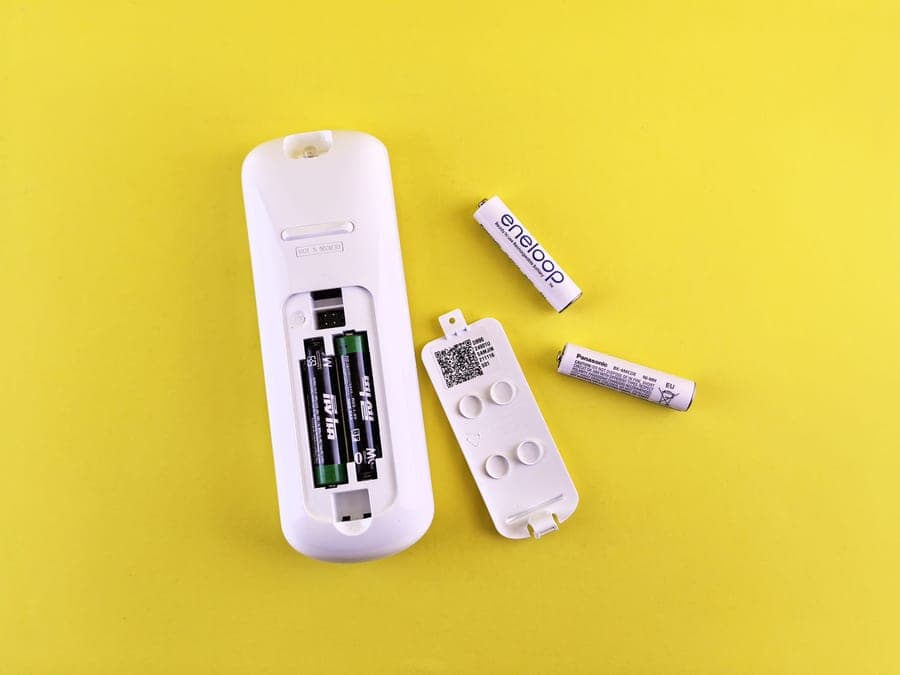 Ovonic 2S LiPo batteryThe sensible middle: better built than the bargain packs, cheaper than the premium ones. | Middle ground | 8.4 | |
| 4 | 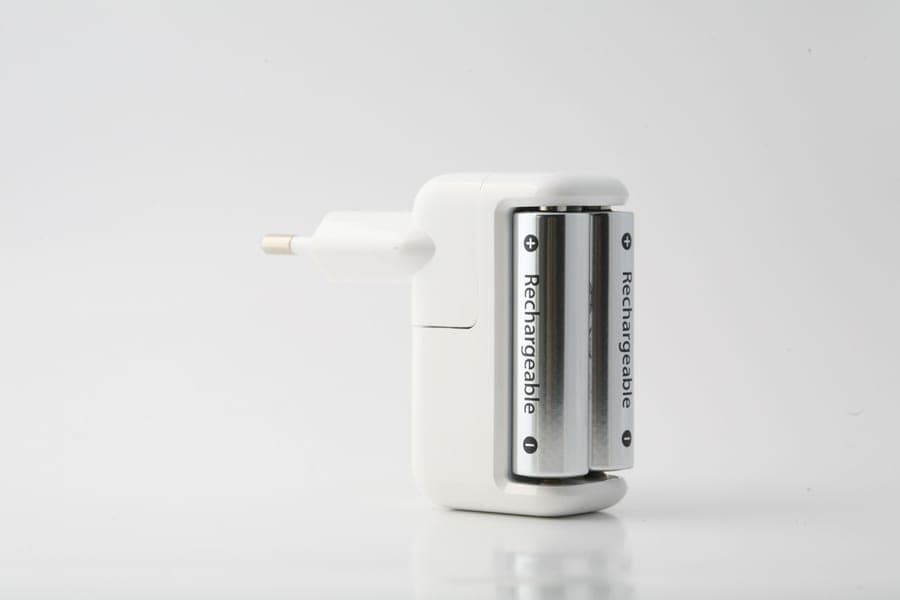 HOTA D6 Pro chargerTwo channels, plugs straight into the wall, and fast enough that charging stops being the bottleneck. | The one to buy once | 8.8 |
Illustrative photo — not this exact model.
#1 · The reliable default
Gens Ace 2S LiPo battery
The brand most people settle on once they have been burned by a cheap pack that puffed after a month.
8.7/10our score for this use
LiPo is the standard rechargeable battery chemistry for RC cars: lighter than the older NiMH type and it holds its power right up to the end of the run rather than gradually fading. 2S means two cells — the size most 1/10 cars take.
What it does well
- Consistent pack-to-pack quality, which is the whole argument for paying more for a battery
- Holds voltage under load, so the car feels the same on lap ten as on lap one
- Sold in all the common connector types and sizes
What it does badly
- Costs more than the budget brands for capacity you can measure but may not notice
- Like all LiPo packs it must be stored at partial charge, not full, or it degrades
- Needs a balance charger — it cannot be charged with the wall plug from a toy car
Illustrative photo — not this exact model.
#2 · Traxxas owners
Traxxas Power Cell 2S LiPo battery
The no-thinking-required upgrade if the car in question is a Traxxas.
8.6/10our score for this use
Traxxas' own LiPo packs carry an iD chip that tells a Traxxas charger exactly what the battery is, so there is nothing to set and nothing to get wrong. For a gift recipient who has never charged a LiPo, that matters more than a few percent of performance.
What it does well
- The iD system removes the single most intimidating part of LiPo ownership
- Fits Traxxas battery trays without adapters or foam packing
- Available at any shop that stocks Traxxas
What it does badly
- Costs more than an equivalent third-party pack
- The iD advantage only applies with a Traxxas charger
- Same LiPo storage rules apply — it still needs care
Specifications from Traxxas' batteries and chargers range.
Illustrative photo — not this exact model.
#3 · Middle ground
Ovonic 2S LiPo battery
The sensible middle: better built than the bargain packs, cheaper than the premium ones.
8.4/10our score for this use
A mid-priced LiPo brand that has built a reputation for reliability without the premium price. For a car that gets used on weekends rather than raced, this is the tier that makes sense.
What it does well
- Noticeably better built than the cheapest packs on the shelf
- Widely available in the common sizes and connectors
- Good value if you want two packs instead of one premium pack
What it does badly
- Not the last word in performance if the car is being raced
- Quality is consistent but not at the level of the top-tier brands
- Still requires a proper balance charger
Illustrative photo — not this exact model.
#4 · The one to buy once
HOTA D6 Pro charger
Two channels, plugs straight into the wall, and fast enough that charging stops being the bottleneck.
8.8/10our score for this use
A balance charger looks after each cell inside a LiPo pack individually, which is what keeps the battery healthy and safe. The D6 Pro has a built-in power supply — no separate box to buy — charges two packs at once, and around 1.6A of balance current per cell, which is why it finishes noticeably faster than the pocket chargers.
What it does well
- Built-in AC power supply: it works straight out of the box with no extra purchase
- Two independent channels, so a second pack charges while the first is in the car
- Higher balance current than the small chargers, so charging is genuinely quicker
What it does badly
- Overkill if there is only ever going to be one small battery
- The menu system takes an evening to learn
- It is another box on the bench with its own fan noise
What the other numbers on the label mean
- mAh — capacity, so how much driving you get. A 5000mAh pack runs roughly twice as long as a 2500mAh one, all else equal. This is the number to increase if run time is the complaint.
- C rating — how fast the pack can deliver its energy. Higher is better under load, but the figures quoted by budget brands are optimistic. Treat it as a rough guide rather than a measurement.
- Connector — the plug on the end. It has to match the car or an adapter is needed, and this is the most common ordering mistake in the hobby. RC battery connector types covers each one.
- Hard case or soft pack — most cars with a battery tray need the hard case. Soft packs are for cars with a strapped compartment.
- Dimensions — always check them against the tray. A 3S pack that does not fit is a return, not an upgrade.
Charging: what changes with 3S
A 3S pack needs a balance charger that supports three cells, which almost all of them do, and it needs the cell count set correctly before charging begins. Setting a 3S pack to charge as 2S overcharges it, which is the one genuine hazard in this hobby. A charger with a built-in power supply and a clear cell-count display removes most of the risk, which is why the HOTA D6 Pro appears above, and why Traxxas' own iD system — which reads the pack and sets the charger itself — is worth having for a household new to lithium. The best RC battery chargers goes through the options.
Storage rules do not change with cell count: both should be left at partial charge rather than full, both should be charged in a LiPo-safe bag or a metal container, and neither should be run completely flat. How to make an RC battery last longer is the habits page.
Who should actually buy 3S
- An experienced driver on a car explicitly rated for it, with somewhere open to use the speed.
- Someone who has outgrown 2S on the same car, which usually takes a season rather than a weekend.
- A heavy 1/8 truck, where the extra voltage is doing work rather than just adding top speed. The largest bashers are designed around 4S and 6S rather than 3S, and those are a different conversation again.
Everyone else is better served by a second 2S pack than by a first 3S one. Two batteries doubles the length of a session; one faster battery halves the number of places the car can be driven. For a gift, that comparison is not close.
How we assessed this
From the cell count outward: what the voltage difference does to speed, heat and the parts that carry it, and what the practical consequence is for a driver who is still learning. The voltage figures quoted are the standard nominal and fully charged values for lithium polymer cells. Every pack and charger named above comes from this site's own registry, and their specifications come from the manufacturers' listings. We do not test these products first-hand — our methodology page explains exactly what that means.